Inform
Should Washington Lock the Clocks? State Law Waits on Congress
Clocks fell back Nov. 1, 2026. Washington passed a permanent daylight time law in 2019, but it can't take effect unless Congress acts, and a federal bill that passed the House in July is waiting in the Senate.
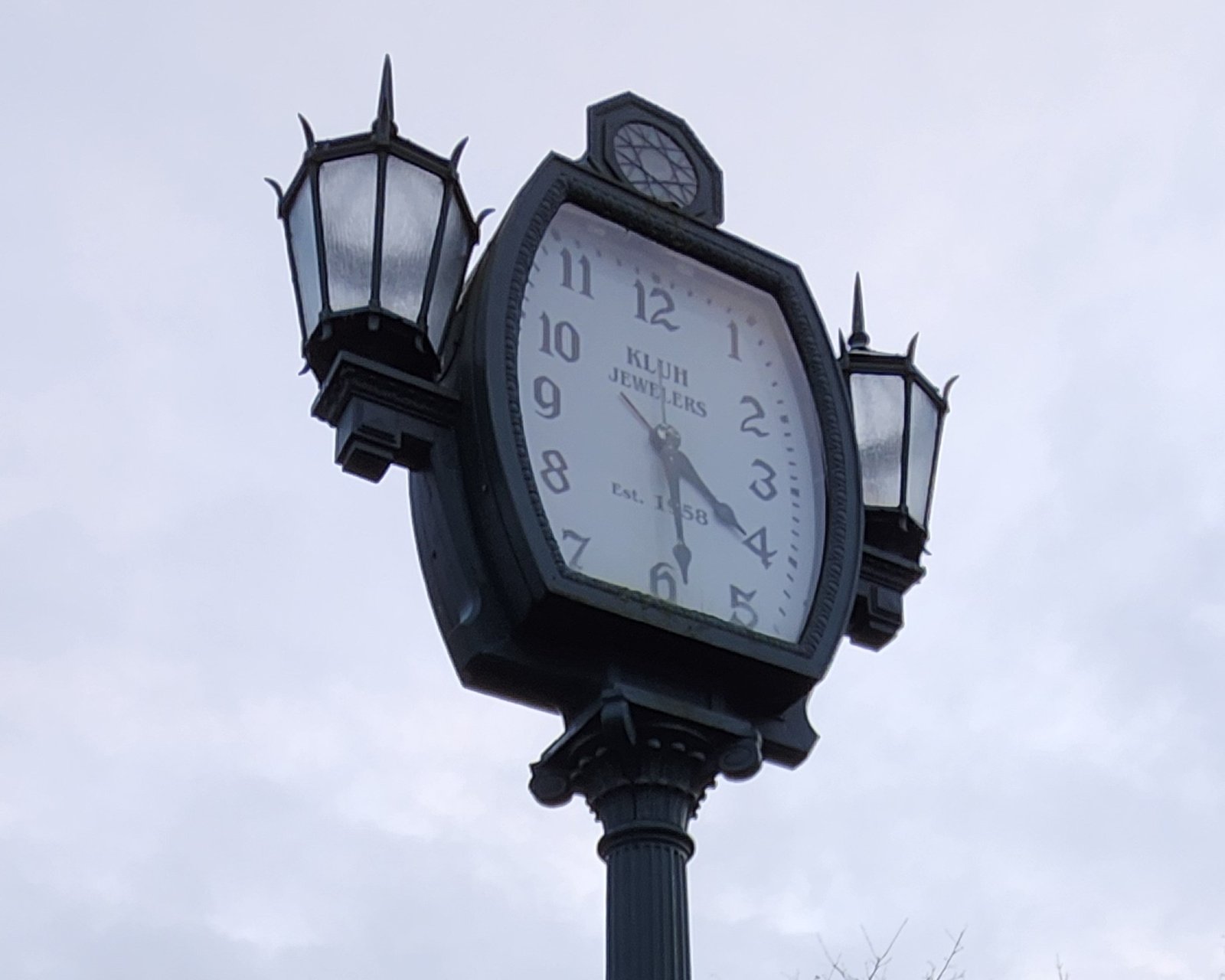
Clocks in Washington fell back an hour at 2 a.m. Sunday, Nov. 1, 2026, ending daylight saving time for the year, according to the National Institute of Standards and Technology. Whether that should keep happening is this week's poll question.
Washington lawmakers voted in 2019 to stay on daylight time year-round. The governor signed House Bill 1196 on May 8, 2019, but the law takes effect only "if the United States congress amends federal law" to allow it, according to state law, RCW 1.20.052.
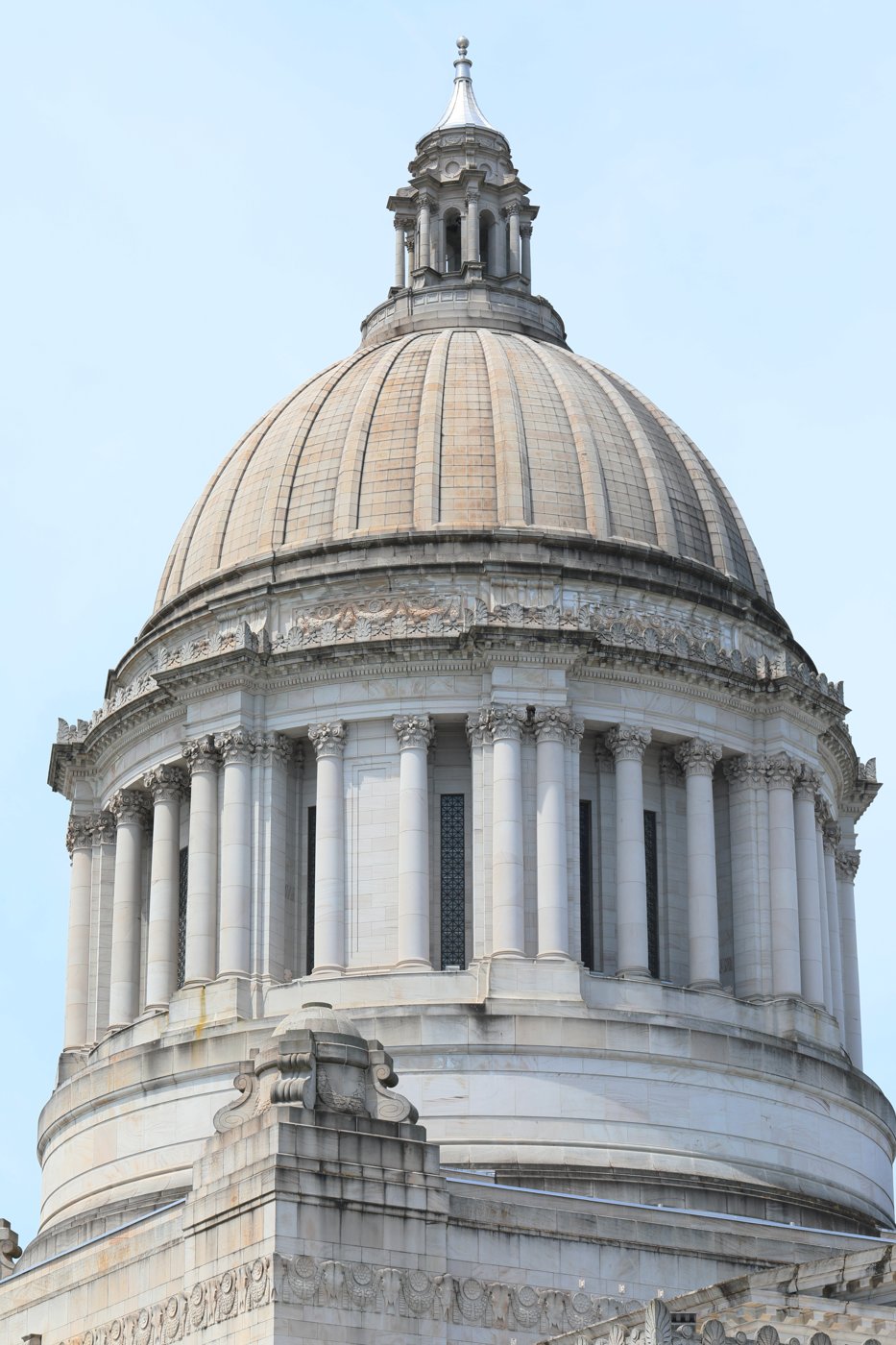
Later bills went the other way. Senate Bill 5795 in 2024, and Senate Bill 5001 and House Bill 2119 in the 2025-26 session, proposed permanent standard time. None got out of committee, according to the Legislature's bill records.
The federal Uniform Time Act lets a state exempt itself from daylight time, but only if the whole state stays on standard time all year, according to the law, 15 U.S.C. 260a, and U.S. Department of Transportation rules. That means permanent standard time is allowed and permanent daylight time is not, the National Conference of State Legislatures notes. Hawaii and most of Arizona stay on standard time all year, according to NIST.
In Congress, the U.S. Senate passed the Sunshine Protection Act by unanimous consent in March 2022, but the House never voted on it. A new version, H.R. 139, passed the House 308-117 on July 14, 2026, and has been in the Senate Commerce Committee since July 15, according to Congress.gov.
Nineteen states, including Washington and Oregon, have passed laws for permanent daylight time that hinge on Congress, according to the National Conference of State Legislatures.
This Week's Poll: Should Washington lock the clocks?
- Year-round daylight time
- Year-round standard time
- Keep changing twice a year
Vote in this week's poll at www.soundneighbors.com.
Sources
- NIST, Daylight Saving Time (2026 dates)
- Washington Legislature, HB 1196 (2019-20) bill summary
- RCW 1.20.052, Daylight saving time (contingent)
- Washington Legislature, SB 5795 (2023-24) bill summary
- Washington Legislature, SB 5001 (2025-26) bill summary
- Washington Legislature, HB 2119 (2025-26) bill summary
- Congress.gov, S.623 (117th Congress), Sunshine Protection Act of 2021
- Congress.gov, H.R.139 (119th Congress), Sunshine Protection Act of 2025
- Clerk of the U.S. House, Roll Call 238, July 14, 2026
- 15 U.S.C. 260a, Advancement of time or changeover dates (Uniform Time Act)
- U.S. Department of Transportation rule, 49 CFR 71.2 (eCFR)
- National Conference of State Legislatures, Daylight Saving Time State Legislation (updated Oct. 12, 2026)
- City of Lacey, Public Art: Kluh Clock
- Photo: Kluh Clock (Lacey, Washington), Wikimedia Commons
- Photo: Dome of Legislative Building, Washington State Capitol, Wikimedia Commons
File photo · Kluh Clock, Lacey, Washington, by OlympiaBuebird, CC BY-SA 4.0, via Wikimedia Commons, cropped (https://commons.wikimedia.org/wiki/File:Kluh_Clock_(Lacey,_Washington)_01.jpg)